Every metal part in a machine, building, or vehicle begins its existence as an idea on a designer’s drawing. Taking into account material options, design tolerances, fabrication tools, and the intended application is an essential step when transforming a concept into a working blueprint. An aluminum framing material used for industrial applications is one such example. Engineers shape their initial ideas into working patterns through a set of steps, which employ specialized equipment and expert-level quality control. Furthermore, in the remainder of this article, we will explore this process in detail.
From Conceptual Design to Working Patterns
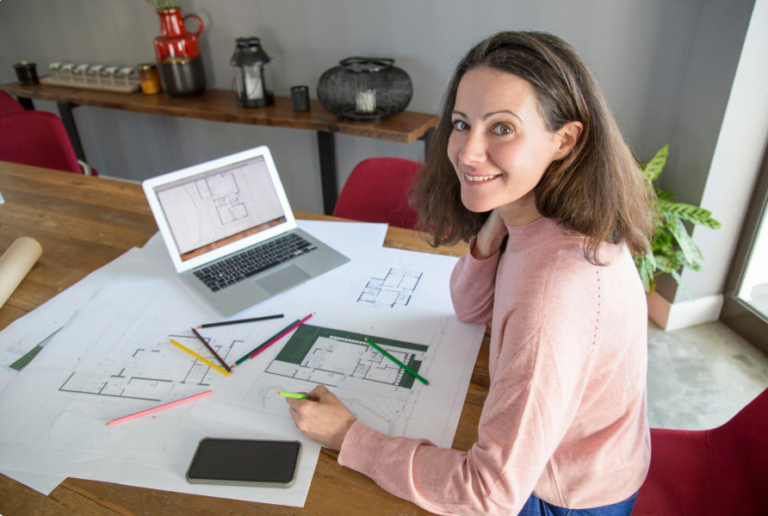
When transforming an idea for an aluminum metal additive manufacturing fabrication component into a working blueprint for production, engineers must consider several aspects. It may be a set of related elements for an industrial structure, from frames and supporting parts to brackets and enclosures. Designers begin by studying the proposed application, determining general requirements and specifications.
They ask themselves the question of what forces this part will have to resist in what environment and how the budget will influence its material, size, and design. With CAD modeling, they are able to produce a highly detailed overview that other manufacturers will rely on during the production phase.
Engineering Design & Prototyping: 5 Must-Know Terms
The next step is to review the design for manufacturability. It means that engineers analyze potential fabrication methods that can result in the desired part or component. They can take into consideration dozens of potential technical solutions such as standard-sized holes, slots, welds, and bends required for the part geometry. However, it must be feasible to shape this design with existing tools and raw materials and bring its cost within the specified limits. At this point, experts also specify additional requirements for surface quality, precision, and tolerances.
Some aspects of the engineering design can be tested in computer simulations before proceeding to the actual production. One reason for this is the ability to assess the stresses, strains, and fatigue that components will have to withstand under load and operational conditions. At the same time, simulation will determine the most optimal material solution and manufacturing process that balances the required MFG quality and cost-effectiveness.
Choosing the Material: Why It Matters in Metal Fabrication
Next comes the selection of the required material. Depending on the project’s requirements, engineers choose from a variety of metals and their alloys, each of which possesses specific properties and manufacturing characteristics. As well as from the options of mild steel and stainless-steel grades for structural parts and frames made of aluminum framing materials, they include copper and various titanium and magnesium alloys for non-ferrous applications. Following this, based on the chosen solution, designers finalize the details of the chosen method and technology. It allows them to shape a multi-faceted approach ranging from CNC machining and laser cutting to sheet metal bending, stamping, or welding.
For example, fabricators use laser cutting machines and other sheet metal processes to cut out details from plate stock, bar stock, tube stock, or profile extrusions. At the same time, metalworking tools such as water jet cutting machines and press brakes allow fabricators to form structural components that are suitable for almost any industry application. Sheet metal parts such as enclosures can also be produced using metal cutting processes. To manufacture parts that consist of several elements and require high precision, metal machining is applied. All these components can be produced in tandem with additional finishing processes that improve the mechanical and physical properties of the surface.
The Manufacturing Process Chain and Associated Hardware
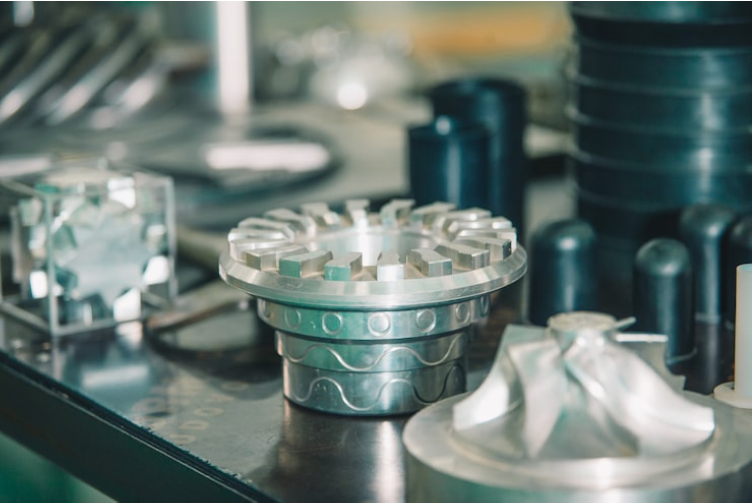
The chosen technology dictates the further production process – first, CAD drawings are prepared specifying the necessary tools and machines. CNC machining is one such process that employs computer-controlled multi-tool milling and cutting tools to remove metal with incredible precision. During this process, engineers can choose the optimal speed and feed values as well as the cutting tool’s material type and geometry to achieve the best possible finish. CNC equipment ensures that surfaces can be formed with microscopic precision, achieving the desired roughness and dimensional tolerances.
Engineers can choose the most suitable method for each detail, whether it is CNC aluminum machining or 3D metal cutting. When the design does not require such precision and is simpler, it is usually more cost-effective. The necessary metal components are formed using metal cutting machines, such as waterjet, laser, or oxyacetylene cutting, which process flat metal sheets. In a similar vein, bending on universal press brakes is used in the production of sheet metal structural parts. Metal fabricators with extensive technical expertise will be able to advise their clients on material specifics and prepare drawings for metal parts and details that can be subsequently fabricated by using these methods.
Parts can also vary significantly in terms of technology and manufacturing processes during subsequent production stages. However, in almost all cases, surface finishing is required, ranging from a simple deburring of sharp metal edges to blasting and passivation. In practice, metal finishing can also include more involved chemical and mechanical methods such as anodizing, powder coating, or even oxidation. Elements are combined using various methods, from welded joints to screw connections and interlocking parts with inserts for assembly. Finally, the final tolerance is checked using a full range of inspection and testing equipment to document that each part, subassembly, and overall product is manufactured per the original design spec.
Why Choose ADDMAN Engineering Over Other Custom Makers?
Creating parts and components from metal requires substantial technical expertise to transform an initial idea into a set of production prints. During the process, engineers undergo a series of steps and make decisions that influence the quality of a final product. ADDMAN Engineering provides full-spectrum metal fabrication services, from design and engineering support to manufacturing, finishing, and inspection. Our team works closely with clients, discussing their needs at each stage of the process. We strive for maximum precision in the production of parts that meet all specifications and can withstand the test of time. Contact ADDMAN Engineering today to ask us for a quote and bring your metal fabrication idea to life.
Conclusion
From the very beginning, transforming complex sketches and drawings into working aluminum metal fabrication details involves numerous steps. These include reviewing functional and environmental requirements, establishing design specifications, choosing the material and technology, and manufacturing. It is always important to leave room at the stage of the working pattern for technological requirements that determine the production method. In turn, this allows one to obtain a metal part with the necessary precision and high surface quality that will meet all the requirements of the specified application. These considerations allow one to choose the most cost-effective way to manufacture aluminum parts, from sheet metal cutting to welding and forming structural elements.
Frequently Asked Questions
1. How long does it take to make metal parts and products?
The timelines for manufacturing products from a design vary from a few days to several weeks depending on the complexity of the items, the type of metal alloy, the quantity of the order, and additional finishing services.
2. What formats of files do manufacturers need to get metal parts or metal products?
Typically, manufacturers work with 3D CAD files (STEP, IGES) and 2D drawings (PDF, DWG), including dimensions, tolerances, and surface finishing notes for metal parts and metal products.
3. Why do most manufacturers choose aluminum alloys to make machine parts, frames, and other structures?
Aluminum is a versatile metal that is durable, resistant to corrosion, and relatively light. Besides, it is easily shaped and malleable even at high temperatures during the forging process. Therefore, aluminum parts are perfect for frames, housings, and other components of machinery and equipment, especially when there is a need to reduce the overall weight.